Where Sunbeams Meet Bluebells: Life in British Woodland Glades
Step into British woodland glades where delicate wildflowers, sun-loving butterflies, and the dancing geometry of light shape daily survival and seasonal change. We explore the ecology of British woodland glades—wildflowers, butterflies, and light dynamics—through stories, practical tips, and science that invite curiosity, care, and participation.
The Choreography of Sunlight Beneath the Canopy
Light filters through shifting leaves, creating a moving mosaic where some moments blaze and others rest in cool quiet. In this patterned stage, germination cues, butterfly flight paths, and wildflower photosynthesis synchronize with sunflecks. Minute differences in angle, cloud cover, and canopy density rewrite possibilities each hour, deciding which seedlings thrive, which nectar warms enough to call pollinators, and how energy flows from photons to petals, wings, and roots across an intimate forest clearing shaped by time and weather.
Sunflecks, Photosynthesis, and the Daily Pulse
Short-lived shafts of light drive intense photosynthesis in leaves adapted to shade, rewarding those fast enough to capture fleeting energy. Bluebells flourish early, while later, wood sorrel adjusts to cooler intervals. Butterflies such as speckled wood patrol illuminated pockets, exploiting warm columns for rapid takeoff. The glade’s clock is written in brightness and pause, with every passing cloud reforming boundaries between abundance and restraint, teaching observers how life thrives by reading tiny, repeating signals from the moving sky.
Seasons of Light: From Bare Branches to Deep Shade
Before leaf-out, sunlight strikes the forest floor with generous reach, inviting wood anemone, primrose, and early pollinators to seize their chance. As the canopy closes, light narrows into seams, favoring shade-tolerant leaves and butterflies skilled at thermal microclimates. Autumn loosens the ceiling again, scattering amber luminescence over seed heads and fungi. These seasonal swings inform when to flower, feed, and reproduce, turning the glade into a living calendar whose pages are turned by chlorophyll, angles of incidence, and patient adaptation.
Edges, Gaps, and the Patchwork of Microhabitats
A glade’s edge is a boundary of opportunity, where wind softens, moisture lingers, and light varies across mere footsteps. Coppice gaps create bright nurseries for violets and brambles, while mature stands offer cool sanctuaries. Silver-washed fritillaries cruise sunny corridors; ground beetles hunt in dapple. The patchwork shifts with storms, browsing, and management, crafting a portfolio of niches. Watching butterflies cross these invisible borders reveals how small changes in shelter or gleam decide fortunes, courtships, and the day’s energetic budget.
Wildflowers Writing Color into the Quiet
Plants like bluebell and wood anemone often persist where woodlands have remained long and relatively undisturbed, mapping continuity more reliably than signposts. Their slow spread records patience as geography, tracing paths of hedgerows, rides, and human restraint. Finding them in a glade suggests layered stories about soils never deeply ploughed, mycorrhizae intact, and canopy rhythms kept. When you kneel beside their leaves, you kneel beside time, witnessing archives preserved not in ink, but in rhizomes, petals, and returning spring light.
Beneath the litter, dormant seeds wait decades for a gap’s warmth and clarity, ready to rebound when a storm opens space or sensitive management invites renewal. Disturbance, when timed and gentle, can awaken lost colors: violets reappearing for fritillary larvae, stitchwort threading bright borders. The soil’s memory collaborates with light, moisture, and serendipity, proving resilience thrives in hidden inventories. Observers who return season after season witness these revivals, learning patience from the ground’s quiet promises and carefully measured interventions.
In spring, flowers race against leaf-out, aligning nectar peaks with the first warm flights of bees, hoverflies, and butterflies. Later, shade-tolerant blossoms court visitors in thinner light, trading showiness for reliability. Timing is everything: a late frost, overcast week, or unseasonal downpour can mute a chorus. Yet, coordination persists, driven by cues from temperature and day length. Walk a glade weekly and you will read a serial of openings, closings, and delicate handoffs between plant intention and insect appetite.
Butterflies on the Breeze: Lives Measured in Warmth
Speckled wood, silver-washed fritillary, brimstone, and orange-tip reveal how glades turn sunlight into movement, courtship, and survival. Wings heat quickly in sheltered rays; shaded moments suggest patience or safer perches. Caterpillars depend on host plants placed exactly where microclimates align with growth. Adults navigate windbreaks branded by bramble arches and oak shade, mapping territories by temperature, scent, and remembered paths. Watch for spiraling duels in sunlit aisles, soft landings on violets, and the quiet arithmetic of energy gained and spent.

Networks Underground, Dramas in the Air
Mycorrhizal Highways Feeding the Understory
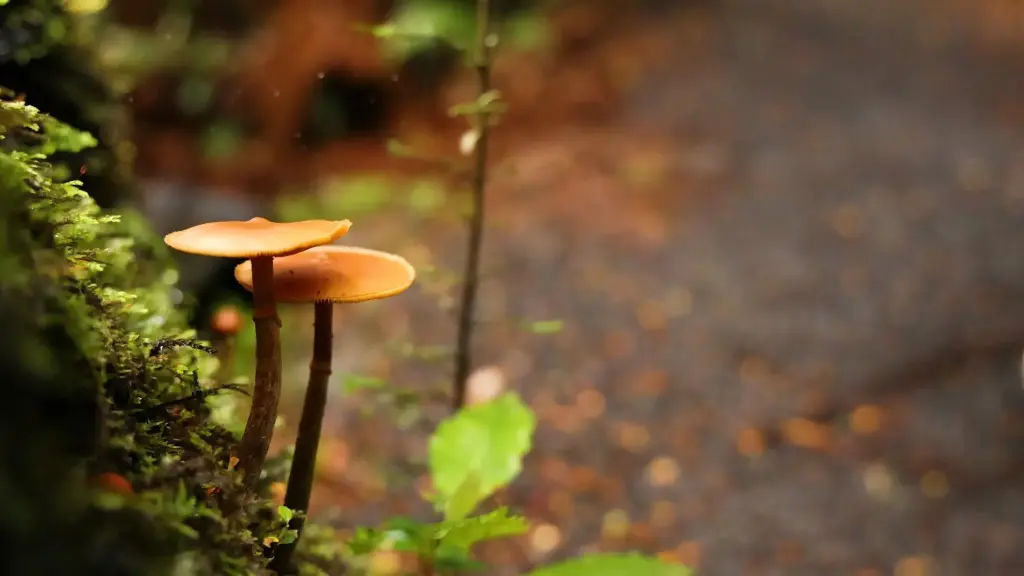
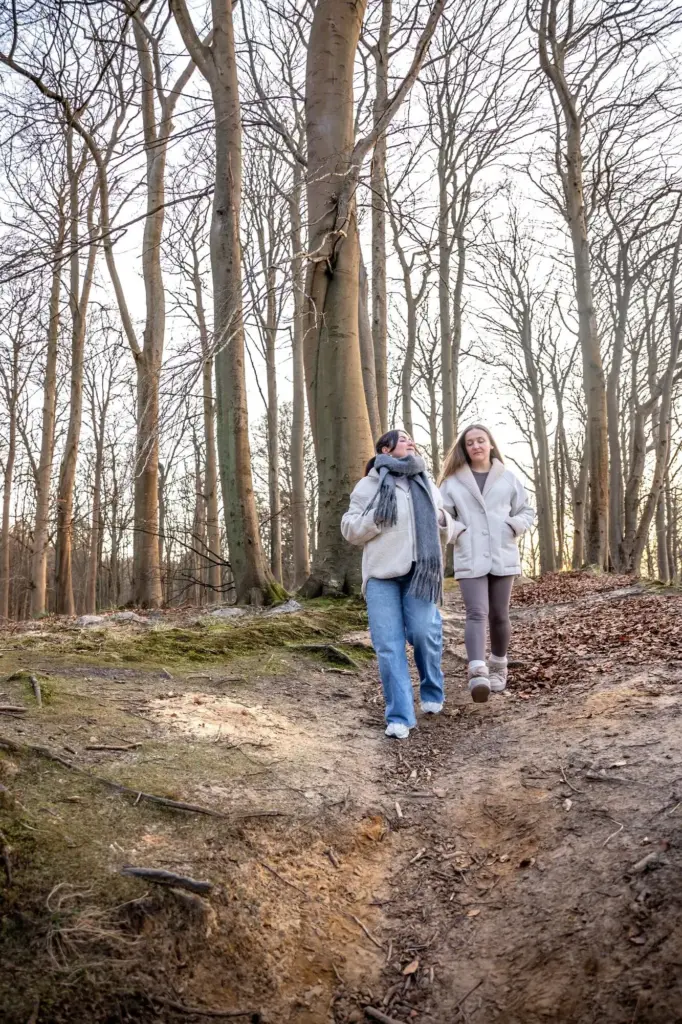
Fungal threads ferry phosphorus, nitrogen, and water between roots, rewarding partners that supply sugars well. Woodland flowers near oaks and hazel benefit from these underview trade routes, sustaining steady growth even when the sky offers stingy light. When a gap opens, connected plants respond quickly, having stored resources in shared vaults. Disturbance that spares soil structure preserves these alliances. Kneel and lift a leaf-litter corner, and you glimpse white filaments telling stories of cooperation older than paths, fences, and forestry tools.
Herbivores, Predators, and the Quiet Balance
Aphids sip, caterpillars chew, deer browse, and immediately the glade answers with ladybirds, spiders, birds, and parasitoid wasps. Balance is negotiated moment by moment, tethered to temperature, daylight, and refuge distribution. Over-browsing can erase flowers; unchecked herbivory stresses saplings. Yet diversity in structure—bramble tangles, fallen branches, sunny edges—offers both hiding and hunting grounds. Managers who value skein-like complexity invite resilience. Listen closely and you will hear the arithmetic of appetites, recalculated daily in rustles, silk lines, and wingbeats.
Birdsong, Perches, and Edge Advantage
Edges gift birds vantage points and rich feeding, where emerging insects gather in warmer air. Warblers glean among hazel, robins claim low posts, and thrushes patrol leaf litter. These sentinels influence butterfly behavior, steering flights toward safer lanes. When rides are scalloped and layered, perches diversify and pressure spreads, creating room for courtship and foraging. Bird presence becomes both soundtrack and shaping force, nudging glade residents to time movements between shadows and supervision, proving that light choreography involves eyes as much as leaves.
Caring for Glades: Light as a Conservation Tool
Thoughtful management treats sunlight as habitat. Coppicing, rotational cutting, and widening rides admit warmth without erasing refuge. Scalloped edges shelter insects from wind while presenting nectar buffets. Deer impacts are measured, invasive plants restrained, and deadwood retained for beetles and fungi. Monitoring microclimate across seasons helps predict drought stress and bloom failures. When communities share observations, managers refine timing so violets return for fritillaries, bluebells thrive, and butterflies keep their corridors. Stewardship becomes an ongoing conversation between saw, season, and shimmering air.
A Walk at First Light: Field Notes and Small Miracles
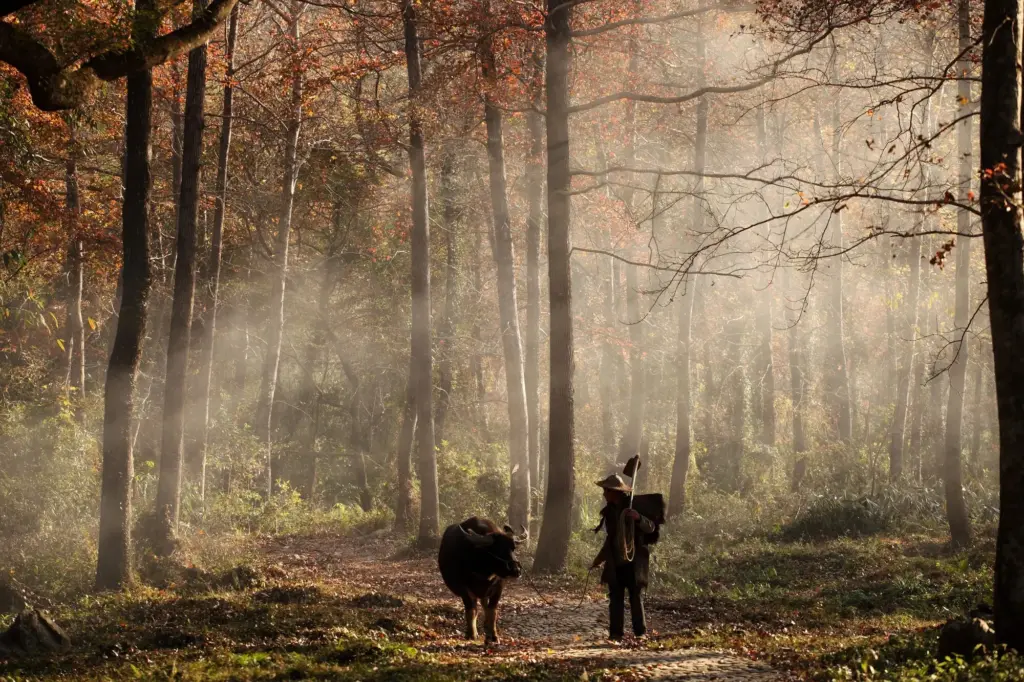
Arrive before the canopy wakes to full brightness, and dew will turn spider webs into constellations above bluebells. Speckled woods warm themselves on angled beams; a robin claims the nearest perch. Take notes, breathe slowly, and let patterns emerge without hurry. Each step reveals choreography between petals, wings, and gentle weather. Carry questions, sketch impressions, and share what you learn. The glade answers softly yet completely when curiosity is patient, attentive, and ready to return across months, seasons, and generous years.
Dawn Dew, Backlit Petals, and Photographing Glow
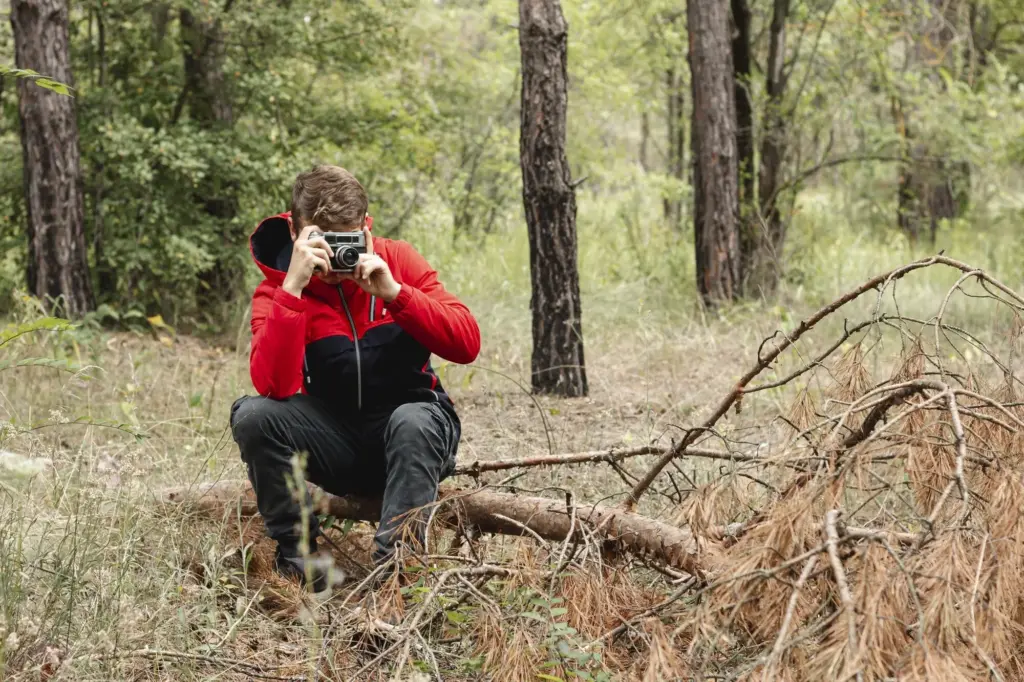
Shoot toward the light to catch halos on primrose furrows and the translucent edges of violet petals. Wait for a sunfleck to slide across a butterfly, lifting its color without startling it. Keep backgrounds simple, highlight stories: a caterpillar bridging veins, a raindrop magnifying pollen. Work slowly, kneel often, and let your shadow retreat from subjects. Share images with local groups to inspire careful visits, showing how early light does not simply reveal beauty—it grants permission to notice relationships unfolding.
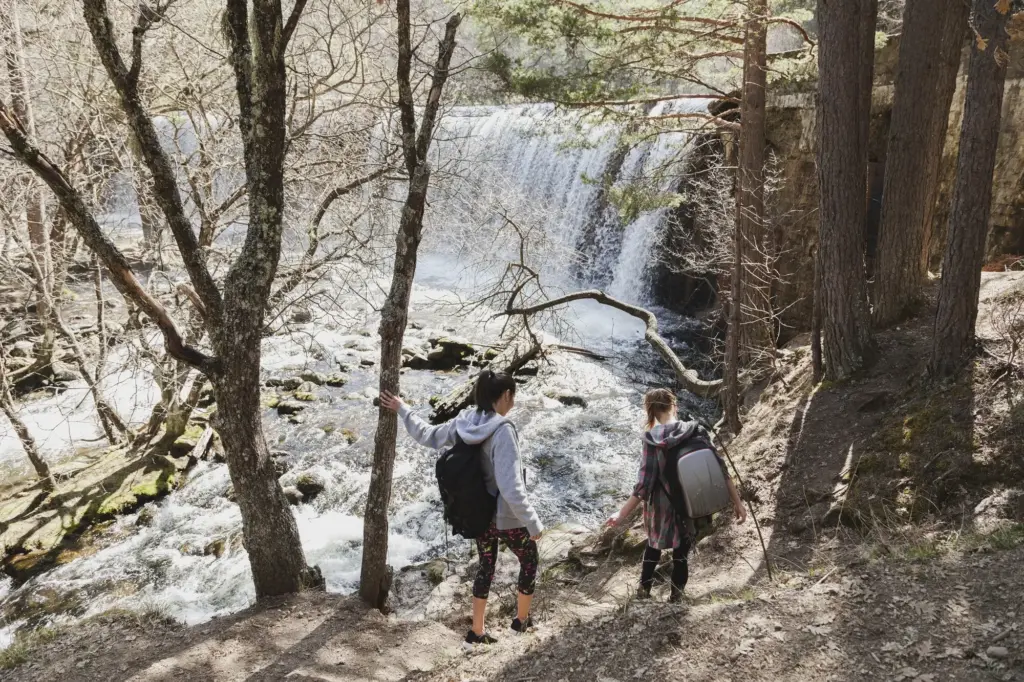
Notebook, Apps, and Honest Data Habits
Combine a small field notebook with a recording app to log time, temperature, wind, and cloud cover alongside species lists. Mark sunfleck intensity qualitatively if meters are absent. Note behavior: basking, nectaring, courtship, egg-laying. Consistent routes transform scattered moments into patterns that help others act wisely. Upload to iRecord or local projects, verify identifications, and correct errors generously. Honesty—about uncertainty or missed counts—keeps the archive trustworthy. Your modest, repeated entries become a lantern by which conservation decisions confidently navigate.