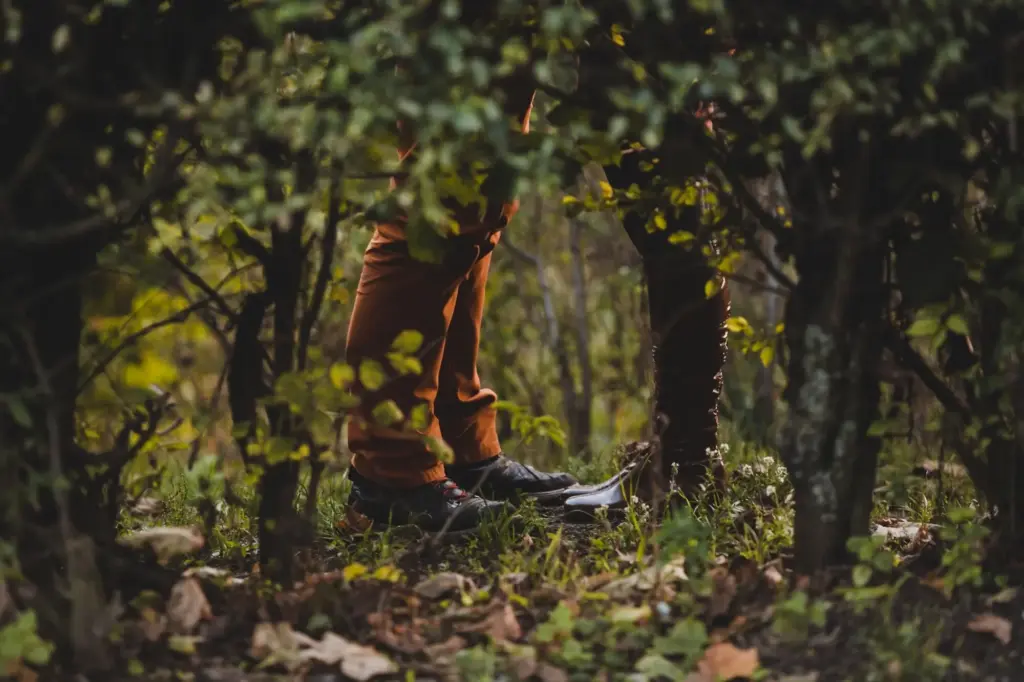
Chasing Sunbeams Through Britain’s Woodlands
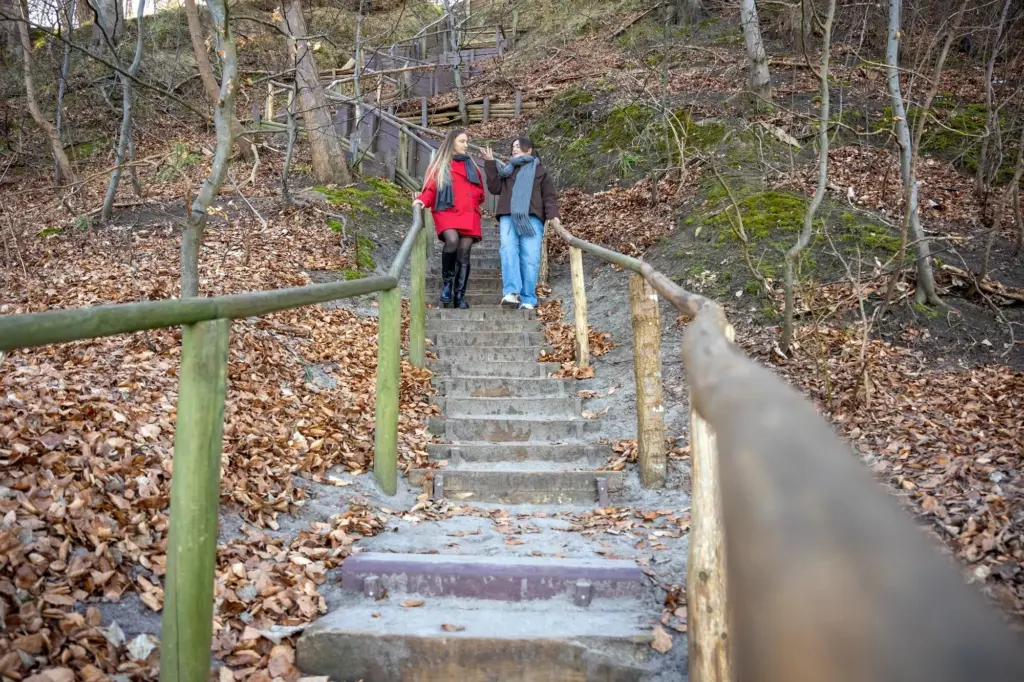
Step beneath canopies from Cornwall to the Cairngorms as we explore techniques for photographing light-dappled woodlands across Britain. Learn to read fleeting highlights, balance deep shade, compose through branches, and harness weather, gear, and patience, turning scattered glimmers into evocative, story-rich images that breathe with place and season.

Reading Light Among Oaks, Beeches, and Pines

Sun filtering through layered canopies behaves unpredictably, yet it follows patterns you can learn. Notice branch density, leaf translucence, and ground reflectance from bracken or wet moss. Track moving patches as clouds pass. Plan positions ahead, anticipating where a shaft will slide, so exposure, focus, and timing align before the sparkle disappears.

Compositions That Invite Wandering

Weaving Paths and Dry-Stone Walls

Use curving trails and centuries-old walls as invitations into the frame. Start them near a corner, then let them meander toward a softly glowing pocket beyond. Step sideways until overlaps resolve. A low viewpoint strengthens near textures, while a gentle tilt upward lets leaves catch scattered beams like sequins.

Order in Chaos with Layers and Focus

Pre-visualise three planes: moss at your boots, trunks receding, and a bright opening. Use focus stacking sparingly when the breeze pauses, or choose a mid-distance focus at f/11 to keep enough detail. Allow one deliberate soft element to suggest motion, memory, and the way forests hold time.

Framing with Branches Without Clutter

Branches can guide without smothering. Move until arcs cradle the luminous area, then trim distractions by shifting centimeters rather than cropping later. Choose gaps that reveal distant light pools. Slightly longer focal lengths compress chaos gently, turning scattered leaves into confetti that sparkles yet still respects the central story.

Reliable Tools and Nimble Settings
Woodland light swings wildly, so dependable gear matters less than understanding how to adapt. Carry a solid tripod, a polariser, and lenses covering wide to short telephoto. Keep ISO low for rich color, adjust shutter for leaf motion, and watch your histogram like a live conversation with the scene.

Misty Mornings and Shafts After Rain

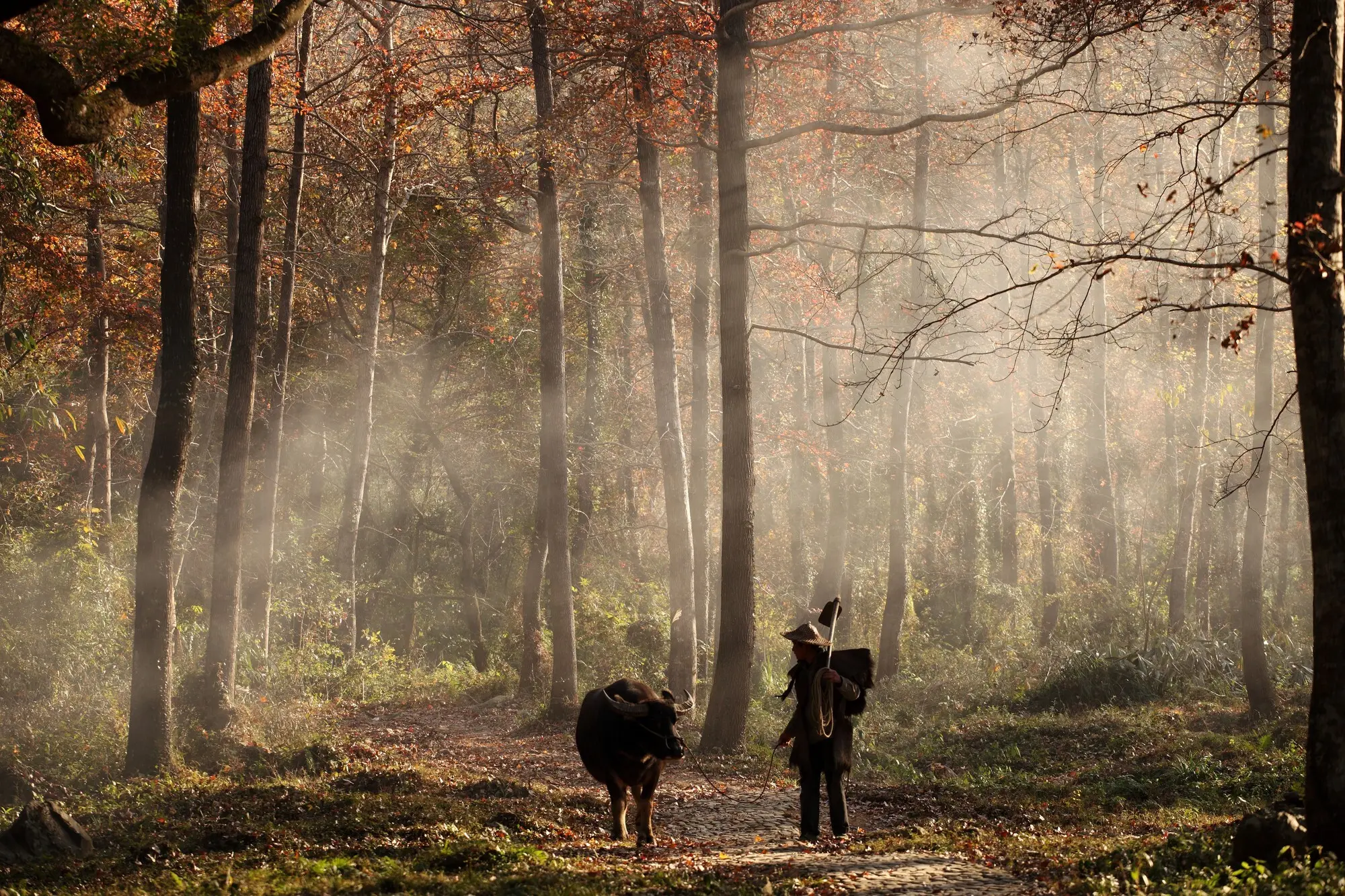
Arrive before sunrise when cool air traps fog in valleys and ancient oak bottoms. As the sun rises, blades pierce haze, drawing theatrical beams between branches. After showers, wet leaves sparkle, but contrast bites; carry a cloth for optics, and shield your lens as wind shakes diamonds loose.

Spring Bluebells and Ancient Woodland Stories
Seek carpets of bluebells that signal centuries of continuity. Shoot low to immerse in color, but protect fragile flowers by keeping to paths. Early light keeps hues gentle; overcast days render blues faithfully. Mix telephoto compression with backlit sprays, and share locations responsibly, avoiding overcrowding and damage to living heritage.

Autumn Fire, Winter Quiet, and Short Days

Autumn rewards patient walkers with gusts that lift leaves into glowing swirls; use slower shutters for painterly trails. Winter simplifies; search for lichen, frost, and pale sun slanting low. Short days compress opportunities, so pre-scout compositions, pack warmth, and keep batteries cozy to protect charge and fingertips.

Taming Greens Without Losing Life

Greens can overwhelm sensors and eyes alike. Set white balance slightly warm, then pull yellow luminance subtly to separate moss from beech leaves. Use selective color masks to restrain neon spikes. A whisper of magenta reduces cast, while a calm vignette gathers attention where light already kisses leaves.

Local Contrast and Dodging with Respect

Shape perception gently. Micro-dodge small lit leaves and the ground’s reflective patches, then lift nearby shadows to keep transitions natural. Avoid global clarity that fries edges. Use luminosity masks or brush ranges to preserve softness, allowing glows to remain believable while the eye flows from brightness into quiet shelter.

File Discipline: RAW, Profiles, and Calm Edits

Shoot RAW to protect delicate highlight detail within bright speckles. Choose camera profiles that keep foliage honest, then build color gently. Resist heavy saturation; let composition and light carry the story. Version edits, step away, and return later, asking whether you can still smell rain and crushed bracken.

Color, Contrast, and the Filmic Feel

Post-processing should honor how it felt to stand there, breathing resin and damp earth. Start with balanced white, gentle curves, and modest HSL tuning to preserve believable greens. Protect highlights, coax midtones, and let blacks stay deep. Consider printing matte; woodland glow often sings quieter on tactile paper.

Respectful Access and Personal Safety

Britain’s rights of way invite exploration, yet courtesy sustains access. Check Ordnance Survey maps, follow the Countryside Code, and close gates soundlessly. Seek permissions for commercial work, respect SSSIs, and avoid trampling fragile flora. Dress for changeable weather, carry tick tools, and keep phone, map, and spare light close.