Where Sunlight Shapes the Woodland Pulse

Join us as we explore “Sunlight-Driven Microclimates in British Forest Clearings and Their Effects on Native Species.” From tiny shifts in warmth and moisture to sweeping changes in flowering times and animal behavior, discover how glades become living laboratories, revealing resilience, vulnerability, and everyday wonders within familiar woods.

Light, Shade, and the Forest Floor

When canopy gaps open, sunlight floods the ground, amplifying daily temperature swings, lowering humidity at midday, and stirring gentle breezes that seldom reach closed stands. These subtle shifts steer germination, desiccation risk, and pollinator schedules, creating mosaics where seedlings, herbs, and invertebrates compete, collaborate, and adapt across meters rather than miles.

Plants That Thrive in Open Glades

Across Britain’s woods, light-loving natives exploit brief advantages. Foxglove spikes ignite disturbed soil; bramble thickets nurse oak and birch seedlings; violet-rich patches shelter pearl-bordered fritillary larvae; orchids emerge where leaf litter thins. Yet shade-adapted bluebells withdraw by midsummer, reminding us that timing, soil moisture, and edge shelter decide winners, not sunlight alone.

Insects, Birds, and Hidden Travelers

Warm air columns and sunlit perches transform clearings into stages for movement and song. Butterflies patrol along rides; beetles hunt at log edges; damselflies hawk above puddles. Birds exploit contrasting layers for nesting and feeding, while bats and moths navigate scent and temperature plumes deep into summer evenings.

Butterflies and Sunlit Corridors

Pearl-bordered and silver-washed fritillaries favor violet patches and dappled clearings, their flight boosted by warmer boundary air. Caterpillars need precise host plants and microclimates, so ride widening and rotational coppice create moving opportunities. Citizen records reveal resurgence when nectar continuity, sheltering bracken fronds, and sunny soil refuges are intentionally maintained.

Birdsong at the Edge

Edges host wrens, robins, and blackcaps weaving through bramble while tits glean caterpillars from regenerating saplings. Warmer pockets hatch insects earlier, feeding broods during critical weeks. Too-open areas risk predation, so tangled field layers and scattered standards provide concealment, meeting thermal needs without sacrificing vigilance or nesting success.

Soil, Fungi, and Tiny Engineers

From Stormfall to Stewardship

Windthrow, disease, or planned coppice open the sky; what follows depends on timing, extent, and care. Sensitive stewardship keeps glades connected yet sheltered, prevents drying beyond resilience, and echoes traditional cycles. In an era of shifting climates, nuanced management writes hopeful futures in sunlight, shade, and attentive footsteps.

A Morning in April

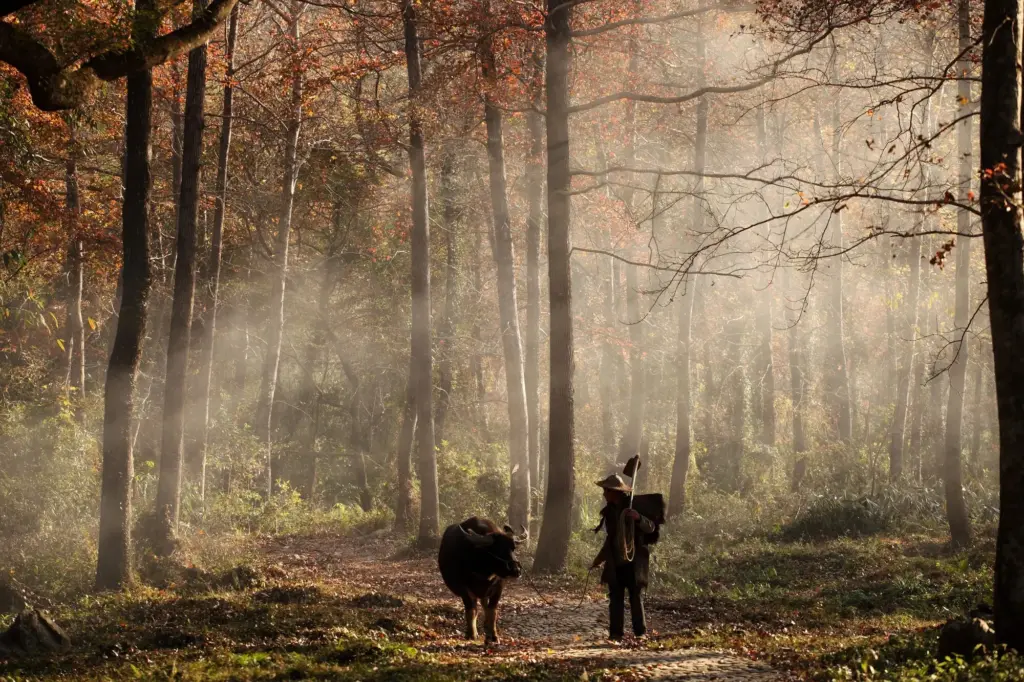
Mist thins as sunlight slides between trunks, gilding anemones while bumblebees shoulder into primrose throats. Robins rehearse bravely near your boots. Kneel, feel coolness a handspan below warm air, and notice how tiny differences set the day’s agenda for flowers, insects, and your own curiosity.

Heat of July Noon

Grasshoppers spring from your footsteps while hoverflies glitter and the faint click of beetles carries beneath bracken. Soil cracks, resin scents rise, and butterflies lift like scraps of copper. Step into shade, feel relief, then return wiser to glare tempered by drifting clouds.