Where Sunlight Pours Through the Trees
Step into a world where pathways breathe and branches part, revealing bright lawns, rides, and glades alive with birdsong. Today we celebrate walking routes in Britain that showcase open woodland clearings, inviting you to slow down, notice shifting light, and feel soft turf underfoot. Expect practical tips, stories, and respectful guidance for exploring these airy spaces safely and joyfully. Share your favourite paths, subscribe for future wanderings, and help us champion places where forest shade opens briefly into generous sky.

Finding Glades on the Map
Even in dense woodland, maps whisper hints about where sunlight gathers. Learn to read Ordnance Survey symbols, spot pale clearings within green tint, follow old rides across plantations, and pair paper wisdom with satellite imagery. Combine ranger advice, permissive path notices, and seasonal closures to sketch routes that weave from shaded corridors into open, flower-rich lawns, returning by dependable waymarks. With a little preparation, your next walk can link several bright spaces into one seamless, memory-rich loop.

Reading Ordnance Survey Clues
On Explorer sheets, woodland wears a green wash, yet gaps, rides, and meadows show as lighter shapes, dashed tracks, or labels like lawn, common, or pasture. Look for contour lines softening near streams where alders open edges, or for waymarked fire roads crossing broad-leaved stands. Couple these signs with the key, check rights of way and access land boundaries, and you will predict sunlit openings before your boots touch leaf litter.
Digital Tools and Local Tips
Satellite imagery can reveal pale glades, mown rides, and deer lawns as bright patches within darker canopies, while lidar layers outline ancient earthworks enclosing clear spaces. The OS Maps app, local council portals, and forestry updates flag diversions and operations. Ask rangers about seasonal grazing, butterfly transects, or bird protection zones, and start at visitor centres where volunteers happily share recent sightings and quiet, respectful ways to reach luminous openings.
Planning Safe, Enjoyable Loops
Begin with realistic distances, then braid in clearings like beads along a string, linking picnic-worthy lawns with reliable path junctions. Check forecast, sunset, and ground conditions after rain. Mark escape routes, bus stops, or rail links near trailheads, and avoid active forestry areas. Pack a map, compass, and charged phone, and leave details with a friend so lingering in golden light never compromises your safe return.
Seasons of Light and Leaf
Open woodland changes character with each month, and the best routes honour that rhythm. Spring paints edges with flowers and birdsong; summer warms rides for butterflies; autumn sharpens contrasts and stirs deer; winter strips back leaves to reveal views. Planning with seasons in mind brings freshness to familiar paths, encourages flexible timing such as dawn starts, and protects wildlife by avoiding sensitive nesting windows while still gathering generous, restorative light.
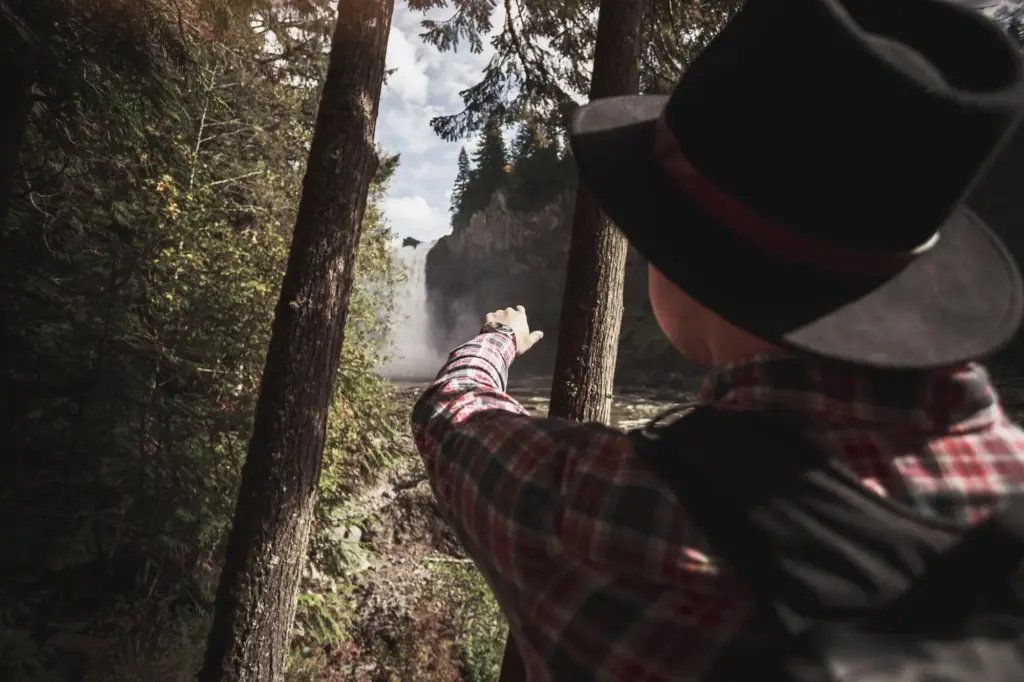
Wood-Pasture and Ancient Oaks
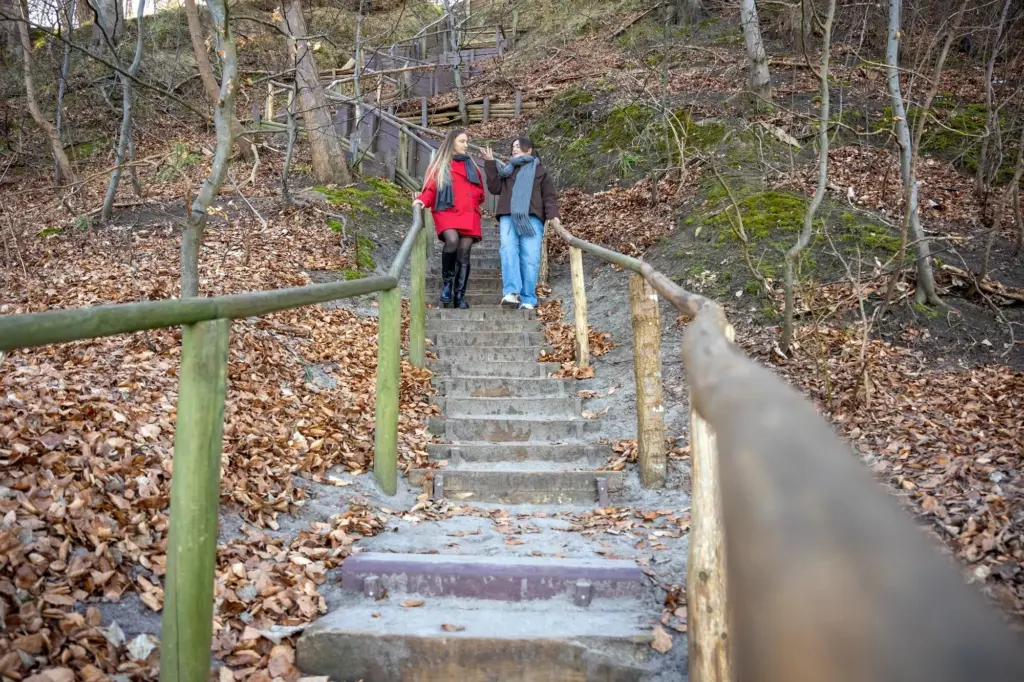
In wood-pasture, scattered giants browse above grasses and flowers, creating an airy mosaic beloved by insects and birds. Places like Epping Forest, Burnham Beeches, and Richmond Park shelter pollarded oaks whose open canopies cast generous, shifting light. Respect fenced regeneration areas, keep clear of stag routes during autumn, and explore quietly so woodland inhabitants remain untroubled while you linger, sketch, or photograph the dignified architecture of trunks encircling living lawns and timeless pathways.
Coppice, Charcoal, and Industry
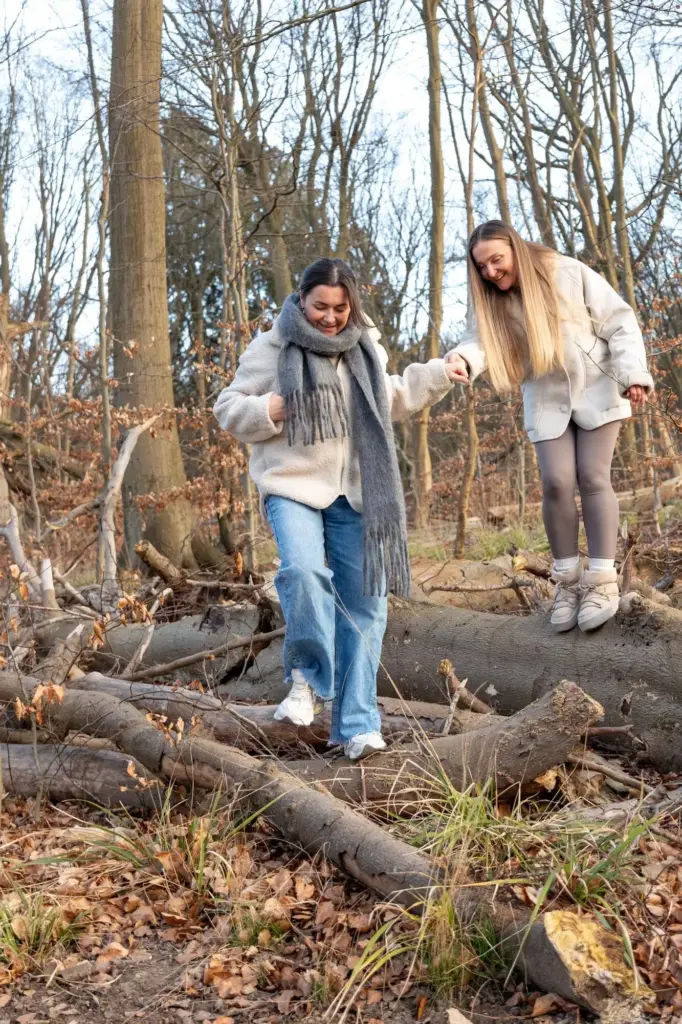
Coppicing once filled hearths and kilns, letting shoots surge back and flooding compartments with sunshine every few years. Those cycles left a legacy of butterfly-rich rides and clear margins that modern walkers still enjoy. Seek telltale charcoal platforms, circular and level, where workers camped among trees. Interpret panels, museum trails, or parish histories can add colour, revealing how industry, biodiversity, and community overlapped wherever light returned to the woodland floor in a managed rhythm.
Hunting, Myths, and Gatherings
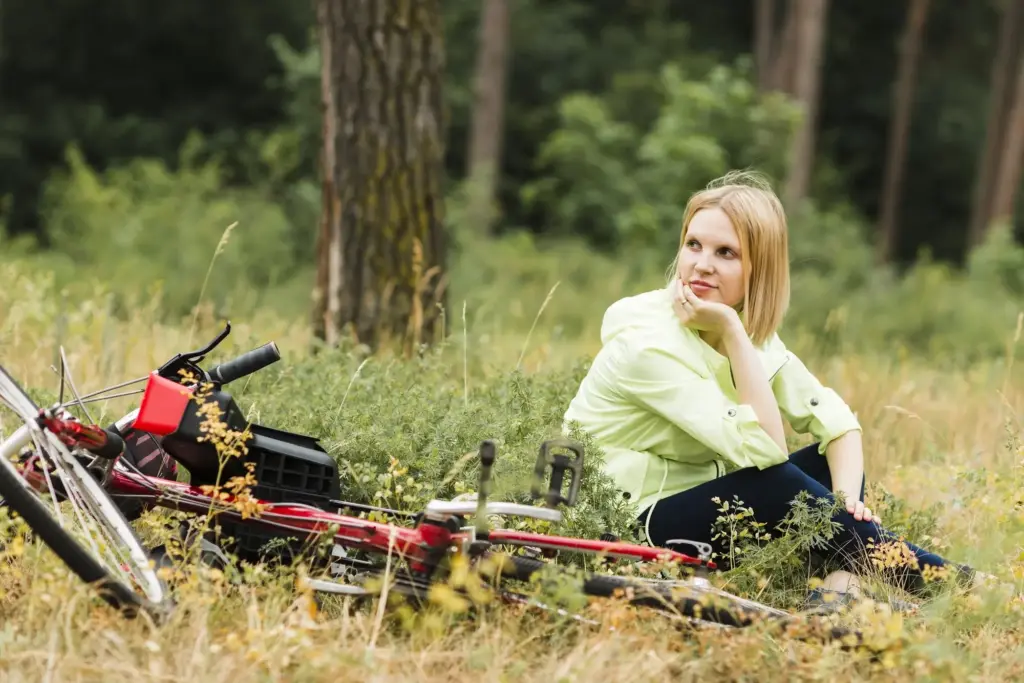
Openings also served as mustering grounds and scene-setting stages for folklore. Verderers still oversee New Forest grazing traditions; elsewhere, village fairs once brightened greens between mighty beeches. Stories of outlaws, highwaymen, and lost processions thread these spaces, giving each lawn a voice. Tread respectfully, notice carved initials on benches and ancient trees, and consider how shared celebrations continue whenever walkers meet, exchange smiles, and let laughter blend with wind moving across sunlit grass.
Wildlife Encounters Without Disturbance
Edges and clearings brim with life, yet gentle behaviour keeps that life thriving. Keep dogs under close control, stick to paths where requested, and pause rather than pursue when animals appear. Early and late light improves sightings with fewer people around. Carry binoculars, learn seasonal sensitivities, and watch for notices about ground-nesting birds or grazing. The best memories arise when curiosity meets restraint, creating quiet moments that feel like earned invitations.

Southern Lawns and Heath-Fringed Paths
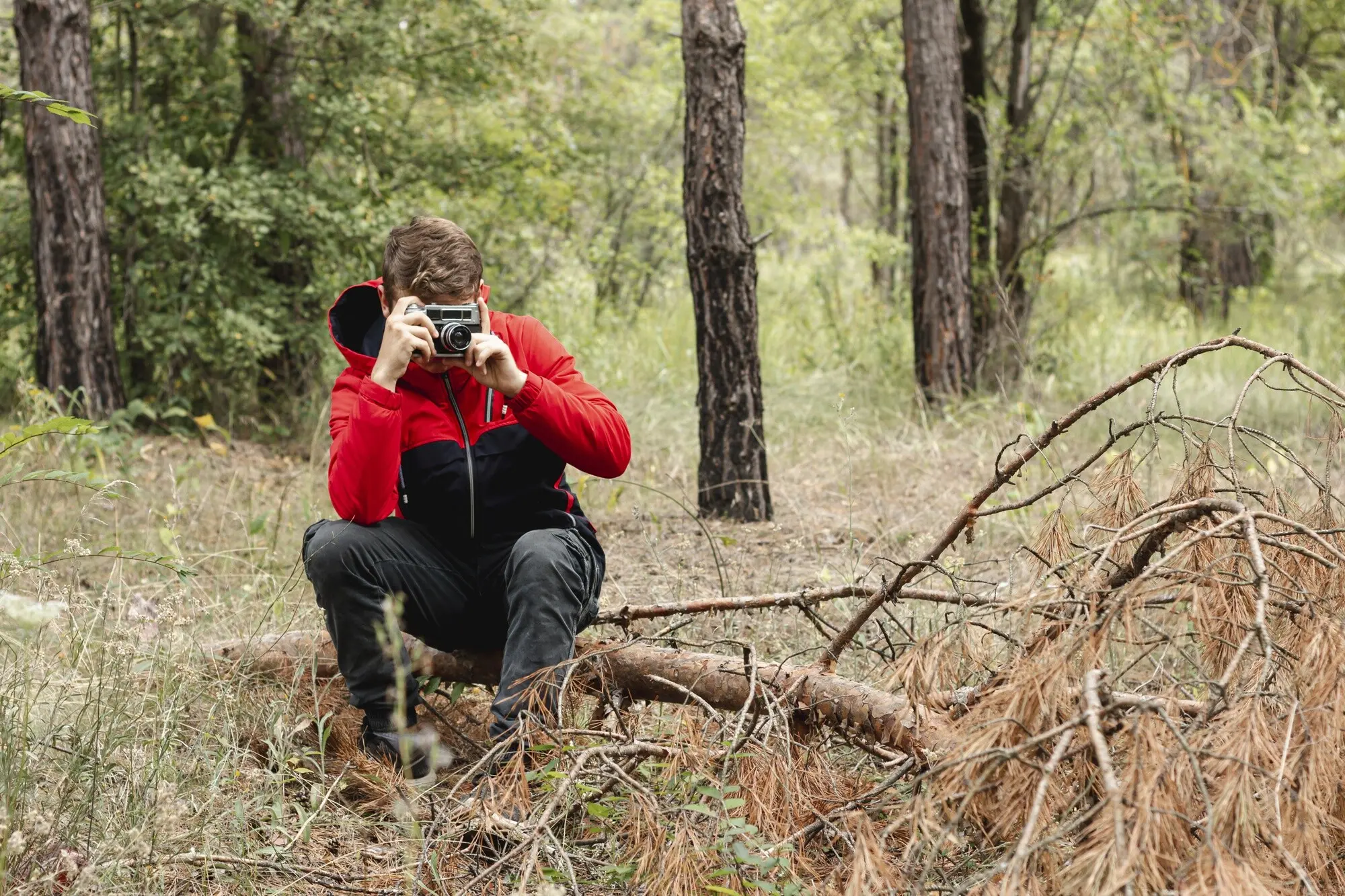
Seek the New Forest’s lawns near Bolderwood, Mark Ash, or Puttles Bridge, where ponies graze and beech columns border open grass like a natural cloister. Ashdown Forest blends heath and birch glades, rewarding early risers with mist and skylark song. Waymarked circuits, permissive links, and quiet back lanes allow loops of varied length. Check ground-nesting bird restrictions and seasonal wetness, choosing drier margins to preserve soils while still enjoying spacious, shining clearings.
Midlands Rides and Historic Oaks
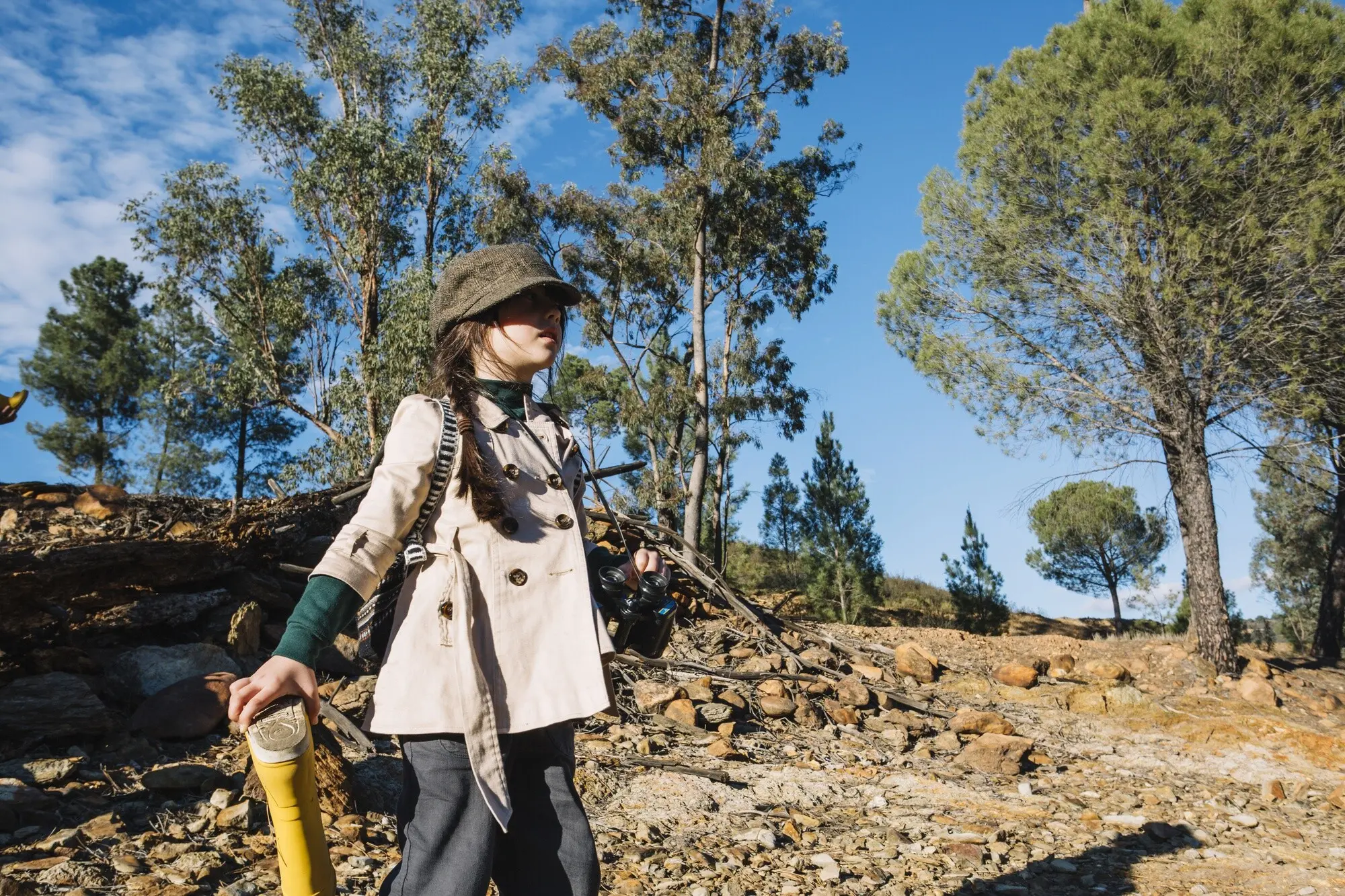
In Nottinghamshire, Sherwood’s ancient oaks anchor wide, sunlit spaces where interpretation boards illuminate centuries of use. Nearby, Clumber’s broad avenues and Sherwood Pines’ long rides give dependable, bright corridors through mixed trees. Time your visit for autumn colour or a winter hush after snowfall. Keep to marked routes when harvesting or felling is signposted, and let cafés, picnic tables, and bird hides punctuate a day laced together by welcoming, well-signed openings.

Northern Pines and Highland Openings
Further north, Rothiemurchus, Abernethy, and Glenmore hold remnant Caledonian pinewoods where open floors of heather and blaeberry meet birch-framed glades. Choose established trails to avoid disturbing sensitive capercaillie areas, especially during lekking season. In late summer, sunlight slants between Scots pines and lochans sparkle beyond the trees. Pack midge repellent, respect deer stalking notices, and relish views lengthening as you step from shaded needles into warm, wide, beautifully quiet spaces.
Preparation and Wayfinding Confidence
Simple habits bring freedom to linger wherever light pools. Wear sturdy, waterproof footwear; carry layers, a map, and a compass; and learn to translate contours into real ground. Share your plan with someone, note bus or train times, and register for emergency SMS if available. Mark likely muddy hollows and seasonal streams, and avoid timber operations. Confidence grows with each decision, letting curiosity guide you from one welcoming opening to the next.
Leave No Trace in Sunlit Spaces
Glades feel robust yet can be fragile after rain or heavy use. Stick to dry, durable ground, pack out litter and peels, and keep fires and disposable barbecues away from grass that scars easily. Choose small groups, speak softly, and spread out rest stops. A simple brush of a boot or careless shortcut can widen paths and erode soil, so kindness under bright skies becomes an act of lasting guardianship.
Community Mapping and Storytelling
Upload GPX tracks with notes marking benches, springs, and especially those sunlit lawns where you lingered longest. Share audio clips of birdsong, sketches of branching shadows, or childhood memories sparked by a certain beech. Invite neighbours to add safe alternatives when paths flood, and to flag sensitive habitats that deserve space. Together we create living maps and narratives that guide newcomers gently toward wonder without overwhelming the very places we love.
Support the Guardians of the Woods
Consider donating to or volunteering with local wildlife trusts, the Woodland Trust, National Trust, or community groups that maintain paths and protect open habitats. Attend guided walks, learn practical skills, and lend your voice when policies threaten access or biodiversity. Small monthly gifts, citizen science records, and cheerful litter-picks all matter. Your steady care keeps glades bright, wildlife thriving, and future walkers arriving to find welcoming lawns waiting under generous, softly shifting light.